Does Hurricane Season Really Affect Cruises? Here's What Actually Happens

Every summer, I get some version of the same question from people considering a Caribbean cruise: "Should I be worried about hurricane season?" And every time, my answer is the same — probably less than you think, but there are a few things worth knowing before you book.
Hurricane season and cruising have a complicated reputation. The season runs June 1 through November 30, which overlaps almost entirely with the Caribbean's most popular cruising months. But what most first-time cruisers don't realize is that a cruise ship is fundamentally different from a land-based vacation when it comes to storms. It can move. A resort in Jamaica can't.
Here's what actually happens when a hurricane threatens a cruise — and how to protect yourself for the parts the cruise line can't control.
Key Takeaways
Hurricane season runs June 1 to November 30, with peak activity between mid-August and mid-October
Cruise ships almost never cancel because of a storm — they reroute instead
Cruise lines are not required to compensate you for itinerary changes, only for full cancellations
Your biggest real risk isn't the ship — it's getting to the ship if a storm disrupts your flights
Travel insurance matters more during hurricane season than any other time of year
Cancel For Any Reason (CFAR) insurance must be purchased before a storm is named — not after
Western Caribbean itineraries (Cozumel, Roatan, Grand Cayman) generally offer more rerouting flexibility than Eastern Caribbean routes
When Is Hurricane Season, and How Active Is 2026?
The Atlantic hurricane season officially runs from June 1 to November 30 every year. The statistical peak — when the most storms form — falls between mid-August and mid-October, with September 10 historically being the single most active day of the season.
For 2026, the season has been notably quiet. A strong El Niño event has produced above-normal wind shear across the Atlantic Basin, which suppresses storm formation. NOAA forecast a 55% chance of a below-normal season, and through early October 2026, the Atlantic has been unusually inactive — the season went longer than any year since the 1940s without a named Atlantic hurricane.
The Pacific has been a different story. Hurricanes Nolo and Polo, and Tropical Storm Rachel, have all disrupted cruise itineraries out of Los Angeles and Long Beach this season. This is a useful reminder: El Niño suppresses Atlantic activity but actually fuels Pacific storms — so a "quiet" season in the Caribbean can still mean active disruptions for cruises departing from California ports.
What Cruise Lines Actually Do During a Storm
This is the part most travelers get wrong. They imagine a scenario where their cruise is cancelled and they're stuck at home watching the storm on TV. In reality, that almost never happens.
Here's what cruise lines actually do, roughly in order of likelihood:
Most likely: They reroute. Cruise ships have meteorologists on staff and access to real-time weather data 24 hours a day. When a storm develops, the ship's captain and the cruise line's operations team begin tracking it 72 to 96 hours out. If the storm threatens a planned port, they simply go somewhere else. An Eastern Caribbean itinerary might become a Western one. A stop in Nassau might become a stop in Cozumel. The ship still sails — it just goes somewhere different.
Less likely: They skip a port entirely. If rerouting to an alternative port isn't practical, the ship may spend an extra day at sea instead. You'll get port taxes and fees refunded for any port you don't visit, and excursions booked through the cruise line will be refunded. Excursions you booked independently are your responsibility to cancel.
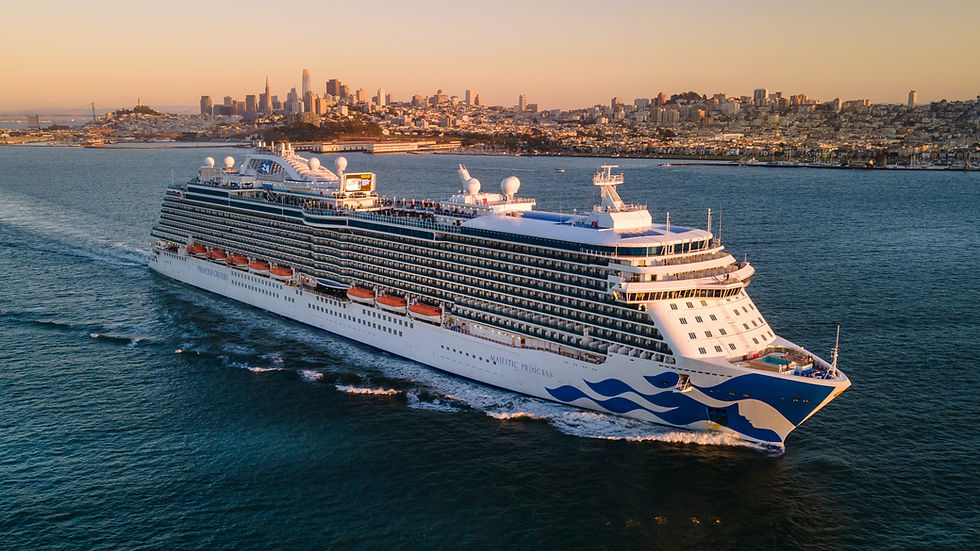
As an example, a recent hurricane in the Pacific off the coast of Mexico had a few ships rerouting. Princess chose to skip Puerto Vallarta on their 7-night cruise, spending a longer amount of time in Cabo San Lucas and at sea. My clients reported they still enjoyed their trip and had no issues with rerouting for their safety. They knew a change was possible when they saw the weather report, so they were unbothered when it happened.
Rare: They cancel the voyage. This happens, but it requires extreme circumstances — typically a storm that's tracking directly for the embarkation port, or a port closure that makes departure impossible. If the cruise line cancels the sailing, you're entitled to a full refund of your cruise fare. Most lines will also offer future cruise credit as an additional option.
One thing worth understanding: cruise lines have broad authority under their ticket contracts to change itineraries for weather and safety reasons. Royal Caribbean, Carnival, Norwegian, and others all include language explicitly giving them this right — and explicitly disclaiming any obligation to compensate passengers for the change. If your Eastern Caribbean cruise becomes a Bahamas cruise because a storm pushed through, you are not owed a refund. You'll still have a cruise — just not the one you booked.
The Real Risk: Getting to Your Ship
Here's the thing most travelers overlook entirely: the cruise line controls the ship. They don't control the airports, the flights, or what happens on the ground in Florida or Texas before your ship departs.
Some of the most painful hurricane-season stories I hear from travelers aren't about missed ports — they're about missing the ship entirely because their flight into Miami or Fort Lauderdale was cancelled by a storm, while the ship sailed on schedule. Because the cruise is operating, they're not entitled to a refund. They've just lost their vacation.
This is the scenario travel insurance actually exists to protect against. A trip interruption or missed connection policy can cover the cost of flights to catch the ship at the next port — or, if that's not possible, reimburse you for a cancelled trip.
What to Know About Travel Insurance and Hurricane Season
Travel insurance during hurricane season is worth having, but there's a critical rule most people don't know about until it's too late.
Named storms are "known events." Once a hurricane or tropical storm has been named by the National Hurricane Center, it becomes a known event. Any travel insurance policy purchased after that point will not cover cancellations or disruptions tied to that specific storm. This is the single most misunderstood rule in cruise travel insurance, and it catches people every year.
The practical implication: if you're sailing during hurricane season, buy your insurance when you book — not when you see a storm developing and start to worry.
What standard travel insurance covers during hurricane season:
Trip cancellation if the cruise line cancels the sailing
Trip interruption if you need to catch the ship at a later port due to flight delays
Missed embarkation due to storm-related flight disruption
Emergency medical evacuation
What standard travel insurance does NOT cover:
Itinerary changes or substituted ports (no financial loss has occurred — you still sailed)
Cancelling because you're nervous about the weather
Disruptions from a storm that was already named when you bought the policy
Cancel For Any Reason (CFAR) coverage is the exception. CFAR is an optional policy upgrade that lets you cancel your trip for literally any reason — including "I'm worried about the forecast" — and receive a partial refund, typically around 75% of your trip cost. It must be purchased within a specific window after your initial deposit (usually 10–21 days, depending on the policy). And it must be purchased before a storm is named. CFAR is more expensive than standard coverage, but it's the only policy that gives you real flexibility when a storm is brewing.
How to Choose a Hurricane-Season Cruise Wisely
If you're set on a Caribbean cruise during hurricane season, a few choices can reduce your exposure:

Consider Western Caribbean over Eastern. Western itineraries — Cozumel, Roatan, Costa Maya, Grand Cayman — tend to offer more flexibility for rerouting because ships can more easily pivot to alternative ports. Eastern itineraries that travel through the Leeward Islands have fewer nearby alternatives when a storm tracks across that chain.
Aruba, Bonaire, and Curaçao sit outside the hurricane belt. These ABC islands are positioned south of the typical hurricane track and rarely see direct storm impacts. Itineraries that focus on these islands are naturally lower-risk during peak season.
Look at shoulder season. June and early July, and late October and November, are technically hurricane season but statistically much less active than the mid-August to mid-October peak. The same is true of the eastern Pacific — Pacific hurricane activity runs through November 30, so fall sailings out of California ports remain in the risk window through the end of the year.
Arrive a day early — especially during storm season. This is good practice for any cruise, but during hurricane season it's especially important. A storm that delays your flight by 24 hours the day before departure might not affect you at all if you're already at the embarkation city.
What If Your Cruise Is Affected — A Practical Checklist
If a storm develops and you have a sailing coming up:
Watch for email from your cruise line. They will contact you if they're making itinerary changes. Don't assume no news means everything is fine — check your email and the cruise line's website.
Check your airline's weather waiver policy. Most major airlines issue travel waivers during storms, allowing you to rebook without fees. This is separate from your cruise.
Know your insurance policy. Have your policy documents accessible and know the claims process before you need it.
Book shore excursions through the cruise line during storm season. Independent operators won't always refund if a port visit is cancelled or modified. Cruise line-booked excursions are refunded automatically.
Don't cancel on your own out of worry. Unless you have CFAR coverage, cancelling a cruise because a storm might affect it will cost you the full fare. Wait to see what the cruise line does — if they cancel or significantly alter the itinerary, your options are much better.
Frequently Asked Questions
Do cruise ships sail during hurricanes? No. Cruise ships reroute to avoid storms, not sail through them. Captains have real-time weather data and will change course well before a storm poses any danger.
Will I get a refund if my cruise ports change because of a storm? Generally, no. Cruise lines have broad authority to change itineraries for weather, and a substituted port is not a refund event. You'll typically receive refunds of port taxes and fees for any port you don't visit, and excursions booked through the ship. Full refunds only happen if the cruise line cancels the sailing entirely.
What is the peak of hurricane season? Statistically, mid-August through mid-October is the most active period, with September 10 historically being the most active single day of the season.
Is it safe to cruise during hurricane season? Yes. The ship itself is very unlikely to be in danger — cruise lines prioritize safety above everything else and will always move the ship away from a storm. Your greater risk is disruption to your travel to or from the ship.
What is CFAR insurance and do I need it for a hurricane-season cruise? Cancel For Any Reason (CFAR) is an insurance upgrade that lets you cancel for any reason and receive a partial refund (typically 75%). It must be purchased shortly after your initial deposit and before any storm is named. It's the only policy that covers cancellation out of weather-related worry rather than an actual financial loss.
Does travel insurance cover itinerary changes? Standard travel insurance does not cover itinerary changes where you still sail — because no measurable financial loss has occurred. It does cover situations like missed embarkation due to flight delays, trip interruption costs, and cancellations when the cruise line itself cancels the sailing.
What happens if I miss my ship because of a storm-related flight delay? If you miss embarkation due to a flight delay caused by a storm, travel insurance with trip interruption coverage can help cover the cost of flights to catch the ship at a later port, or reimburse your trip costs if catching up isn't possible. This is one of the most important coverage scenarios during hurricane season.
Are some Caribbean destinations safer than others during hurricane season? Yes. Aruba, Bonaire, and Curaçao sit south of the typical hurricane belt and have historically seen very few direct storm impacts. Western Caribbean ports like Cozumel, Roatan, and Grand Cayman also offer more flexibility for rerouting because there are more nearby alternatives.
When does hurricane season end? The Atlantic hurricane season officially ends November 30. The Eastern Pacific season also runs through November 30, which affects cruise itineraries departing from California ports.
Should I avoid cruising during hurricane season entirely? Not necessarily. A quieter shoulder season, the right itinerary, good travel insurance purchased early, and arriving a day before your sailing can make a hurricane-season cruise a very reasonable choice — often at meaningfully lower prices than peak season.
The Bottom Line
Hurricane season doesn't have to be a reason to avoid a cruise. The ship is the safest place to be when a storm is in the area — it simply moves. The real risk isn't the sailing itself, it's everything the cruise line doesn't control: your flights, your transfer to the port, your ability to get there.
That's what travel insurance is for. And that's why buying it early — before a storm forms, not after — is the single most important thing you can do to protect a hurricane-season vacation.
If you're trying to decide whether a fall Caribbean cruise makes sense for your trip, I'm happy to help you think through it.


Comments